Eric Howard · Product studio

Building code with continuous evolution in mind.

Fifteen years of personal and professional software engineering across several different corporate domains, while growing my own code garden in the moonlight hours. HowardSoftware is where I build for the life around the code: some products small and personalized for my own utility and fun, others for large corporate domains such as finance, healthcare, payment transaction systems and much more. All built with a mindset of personal and professional growth, real and open.

Drawn in code
The studio, as it growsA changelog for a life in software
  1. 2026-10-05First case study: a usage overspend, traced back
  2. 2026-10-16Lab rebuilt on official Claude Code
  3. 2026-10-16One home planned: howardsoftware.net
  4. 2026-10-17v1 live: home, software suite, about, contact
  5. Today11 of 29 CCAR-F objectives practiced on real work
  6. LaterCase studies and essays get their own pages
How I build

Crafted and grown on engineering fundamentals, with the tools of an evolving landscape, AI included.

Numbers I can stand behind, notes I write as I go, and the rules I build by.

Experience
15years

Personal and professional software engineering across finance, healthcare and payment systems, and a code garden of my own.

Case studies
6

Evidence-backed write-ups. Every lesson has a source line under it.

CCAR-F objectives
11of 29

Exam objectives practiced on real work, tracked in a practice ledger.

Focused sessions per week
16 this week27 sessions in 5 weeks1 task per session
Reflection, building with AI

I stopped building tools around the agent and started using what the vendor ships. Most of what went wrong this month came from not stating the cost, or the done-check, before starting.

Oct 17, after rebuilding the lab on official features

Building now

howardsoftware.net: one home for the software suite, an about page and a way to say hello.

AstroPlain CSSVercelResend
Three rules I keep
  • Software is never “done.” With the rise of LLMs and generative AI, this has never been more true.
  • Failures happen and unexpected behavior occurs. Evolving software systems are built to handle failures gracefully and to grow and change over time. Experienced engineers and architects must learn and grow from the lessons of failed software alongside the technology.
  • Thoughtful planning and build workflow architecture produce more accurate, cost-efficient and valuable software products.
Software Suite

Live software projects, and the lessons learned building them.

Only launched products live here. Each card has the same anatomy: a framed screen, a name, one line, the stack, and a Visit link.

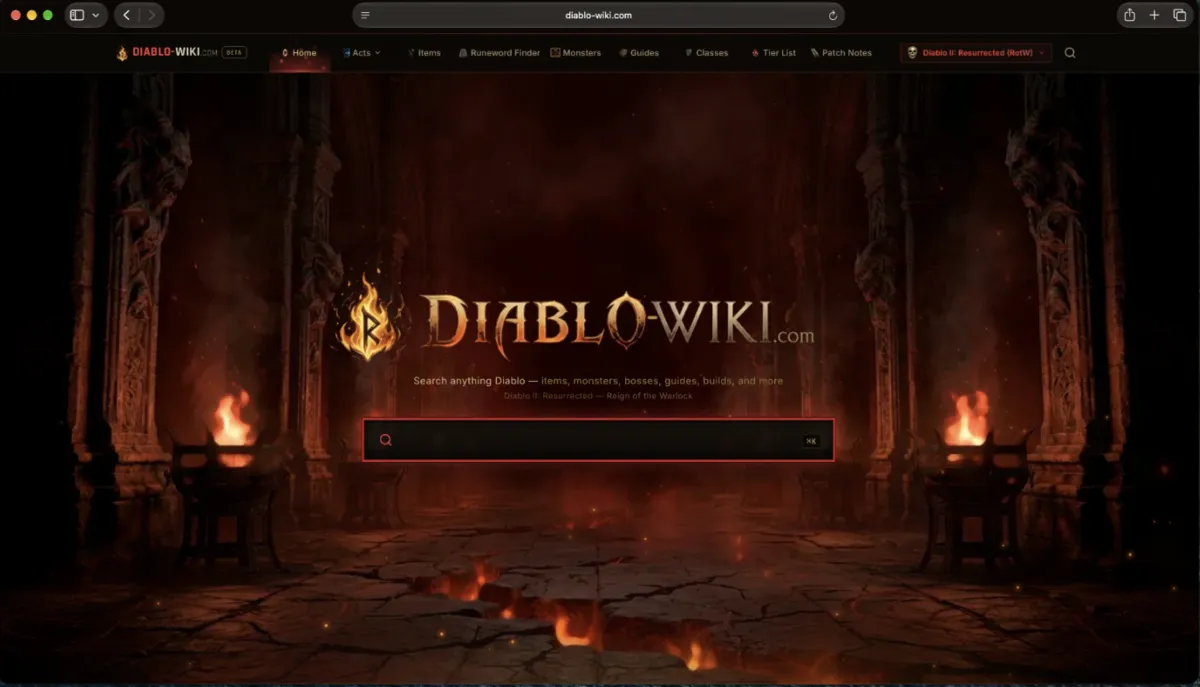
Screenshot of the diablo-wiki.com home page.
Live

diablo-wiki.com

A data-driven Diablo II: Resurrected wiki: items, runewords, sets, skills and monsters, built and maintained with AI agents.

Next.jsTypeScript
Visit diablo-wiki.com
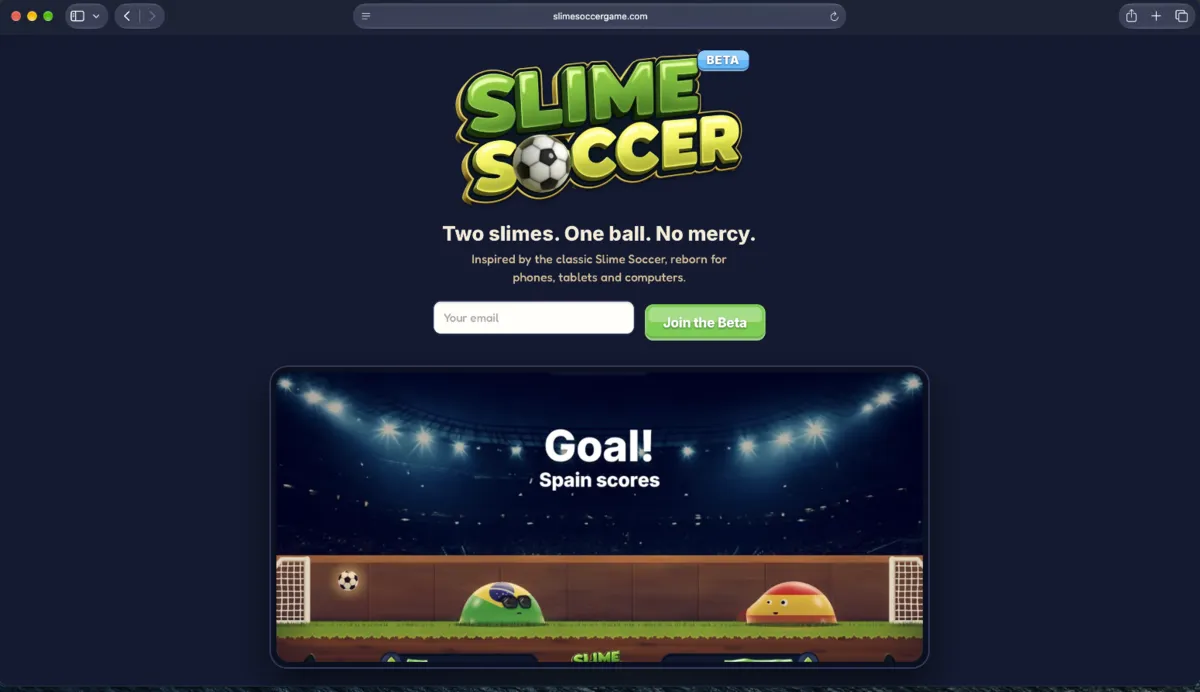
Screenshot of the slimesoccergame.com home page.
Live

slimesoccergame.com

Home of the Slime Soccer Beta: a modern reimagining of the early-2000s classic, with Beta sign-up.

Next in the suite

More software is growing. Each project joins the suite when it launches, and retired ones stay here with the lessons they taught.

The Living Ledger

Two notebooks, open side by side.

Case studies are the technical record: what broke, what fixed it, and the source behind every lesson. Essays are the human record, and they come second for now.

Case studies

Technical · evidence-backed

Closed every open decision for taking howardsoftware.net live in one build session, and finished the pre-flight: accounts, DNS, mail, secrets, hosting and the repo.

Lesson: A pre-flight ends with commands that prove the toolchain, not with a list of accounts.

Finished the review where I approve the copy and pick the visual assets, then tried a rebuild driven by the asset picks and went back to the approved design.

Lesson: When a design is already approved, rebuild on it and treat later review answers as content.

Retired a homegrown agent orchestrator and rebuilt the setup on official features: CLAUDE.md, skills, hooks and subagents. Less code to maintain, fewer surprises at 2 a.m.

Lesson: Use the vendor feature before writing the wrapper.

Ran the built-in diagnostic first and let it list the stale settings, instead of writing a cleanup script and hoping it was right.

Lesson: Diagnose with the tool that ships, then delete.

Pointed every session at a repository, so each one starts from committed configuration rather than whatever the machine remembers.

Lesson: If it is not in the repo, it does not exist.

Followed a usage spike back to long sessions doing many jobs at once. The fix was a habit: one task per session, the cheapest model that does the job.

Lesson: Cost is a design constraint, measured in trends.

Essays

Personal · secondary in v1

My best architecture decisions arrive about twenty minutes into a walk. I used to feel guilty about that. Now I put the walk in the plan.

Writing a rulebook an agent could follow forced me to say out loud what I actually believe about done, about failure, and about rest.

A product that does one thing well lets me close the laptop at six. That is a feature, and I design for it.

The agent can write the first draft in minutes. Reading it like it matters is still my job, and it is the part I want to keep.

About

I am Eric Howard, a Southern-grown software engineer who values personal and professional evolution.

I am driven by a commitment to continuous growth and adaptation across professional and personal domains. I hold that technology can shape a beneficial future aligned with human values rather than opposing them.

Say hello.

Questions about a product, a role, or something you're building. I read every message myself.

Get in touch